Preparing your air conditioning system for winter in Parramatta NSW helps protect equipment, reduce energy bills, and prevent costly air conditioning repair when warmer weather returns. Whether you have a split system, ducted reverse-cycle, or packaged unit, this comprehensive checklist covers practical, actionable steps for homeowners and small business owners. It also explains when to call a qualified air con installer or technician for professional air conditioning service and air conditioner maintenance.
Why winter maintenance matters in Parramatta NSW
Parramatta winters are generally mild but can include rain, cooler nights, and humidity that contribute to mold and corrosion risks. Performing a dedicated winter maintenance routine protects system components that are more vulnerable during periods of low use (for cooling) or increased use (for heating if you use reverse-cycle). Regular maintenance preserves efficiency, extends equipment life, and ensures reliable performance during peak cooling seasons.
Key benefits
- Reduced repair costs — early fault detection prevents small issues from becoming major problems. Energy savings — clean systems use less electricity and reduce running costs. Improved indoor air quality — removing dust, mold and debris lowers allergens and respiratory irritants. Compliance and safety — licensed technicians meet Australian standards for refrigerant handling and electrical safety.
Seasonal checklist: What to inspect and do this winter
Below is a prioritized checklist you can follow now. Some items are suitable for DIY, while others require an accredited professional. For major servicing, refrigeration work, or electrical repairs always book a licensed air con installer or technician with relevant licences.
Visual inspection of indoor and outdoor unitsCheck the outdoor condenser for debris, leaves, and plant growth. Remove branches and clear at least 300–500 mm of space around the unit to maintain airflow. Indoors, inspect wall-mounted or ceiling units for dust buildup and visible mould on coils or drain pans.
Filters are the first line of defence for indoor air quality and system efficiency. Wash reusable filters with warm soapy water and let them dry completely before refitting. Replace disposable filters according to the manufacturer’s schedule—typically every 3–6 months or more frequently if you have pets or allergies.
Clear and check condensate drainsBlockages can cause water overflow and mould. For accessible units, flush the condensate drain with a 50:50 vinegar and water solution or a manufacturer-recommended cleaner. If you find repeated blockages, book professional air conditioning repair to clear blocked drain lines.
Test thermostat and controlsReplace batteries in wall thermostats and test heating and cooling modes. Calibrate programmable thermostats as needed to ensure accurate temperature control and efficient operation.
Inspect electrical connections and isolatorSwitch off power at the isolator before inspecting. Look for loose wiring, corrosion, or burnt terminals. These checks should be done by a qualified technician to avoid risk. Faulty electrical components are a common cause of mid-season failures.
Fan and motor maintenanceCheck indoor blower fans and outdoor fan motors for dust, damage, and free rotation. Small brushless motors often require no lubrication, but older systems may need oiling at specified points—refer to your manual or call a professional.
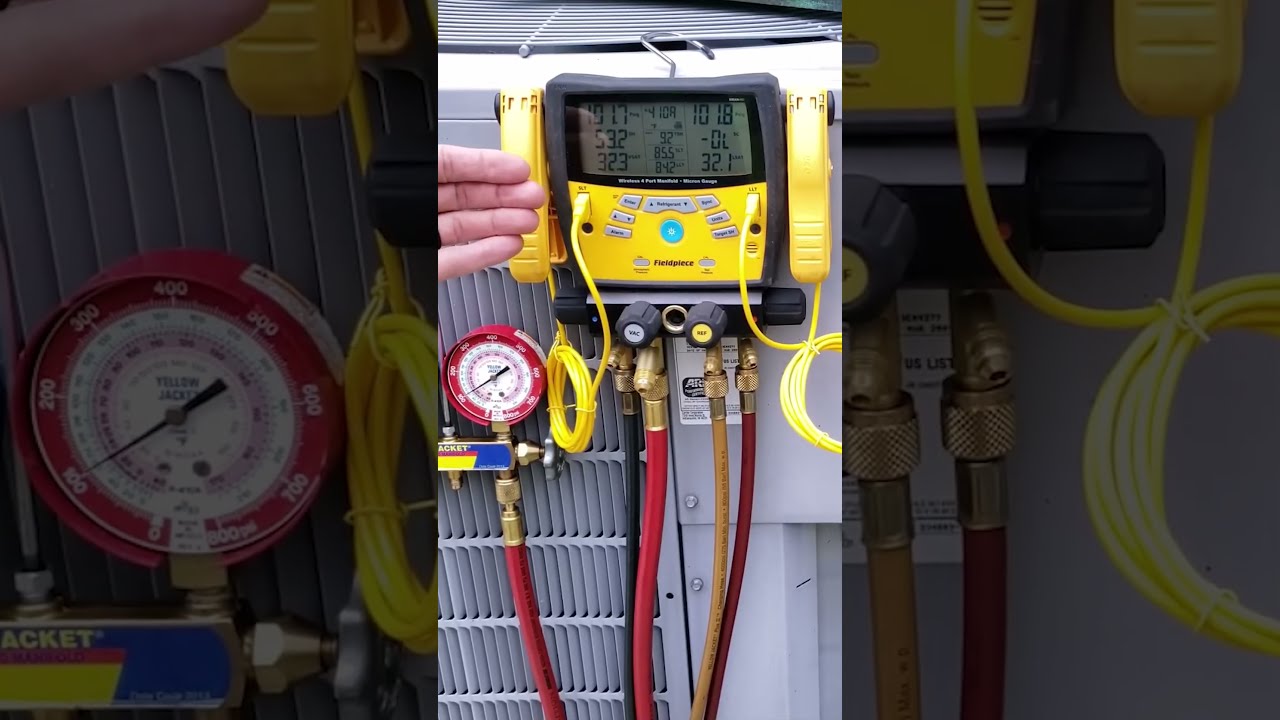
Refrigerant level checkLow refrigerant reduces performance and can damage the compressor. Only licensed technicians can legally and safely handle refrigerants. If cooling was underperforming last season, schedule a refrigerant check during your winter service.
Coil cleaningBoth evaporator (indoor) and condenser (outdoor) coils should be cleaned to remove dust, pollen, and grime. Light cleaning can be DIY with a soft brush or low-pressure rinse; for deep coil cleaning book a professional air conditioning service to avoid coil damage.
Inspect ductwork and vents (for ducted systems)Look for leaks, loose connections, rodent damage, and heavy dust accumulation. Seal visible leaks with appropriate HVAC-rated foil tape or mastic, or get duct sealing and cleaning by a qualified provider.

Ensure pipes and refrigerant lines have intact insulation. Replace worn thermal wrap to maintain efficiency. For outdoor units, avoid fully enclosing or airtight covers—these can trap moisture and cause corrosion; instead use breathable covers or partial protection recommended by manufacturers.
When to call a professional air con installer or technician
Certain tasks must be handled by licensed technicians. Arrange professional air conditioning repair or service in Parramatta NSW for:
- Refrigerant top-up, leak detection or replacement (legal requirement for licensed technicians). Electrical repairs, capacitor or contactor replacement, and isolator issues. Unusual noises, compressor failure symptoms, or persistent poor performance. Full seasonal servicing, annual inspection, or system performance tuning.
Choosing the right service provider
When booking, verify:
- Licences and accreditation for refrigerant handling and electrical work. Local experience in Parramatta and familiarity with NSW regulations and climate considerations. Clear quotes, warranty coverage for parts and labour, and references or reviews.
Energy-saving and winter-specific tips
Small changes can further protect your system and lower power bills:
- Use reverse-cycle heating sparingly on mild winter days and rely on zoned heating when possible to reduce runtime. Seal drafts around windows and doors to reduce the temperature difference your system needs to overcome. Install smart thermostats or timers to optimise heating schedules; many installers now offer integration with home energy management systems. Keep registers and vents unobstructed by furniture or heavy curtains to ensure even airflow.
Regulatory and technology trends to watch (2025 and beyond)
By 2025, the HVAC industry in Australia is increasingly focused on low-global-warming-potential (GWP) refrigerants, higher energy efficiency standards, and smart control integration. Expect stricter measures for refrigerant phase-downs and greater availability of heat-pump technologies. From 2026 onwards, wider adoption of low-GWP refrigerants and mandatory efficiency labelling updates are https://juliusdffg211.trexgame.net/questions-to-ask-your-air-con-installer-before-signing-the-quote likely to affect installers and homeowners—ask your air con installer about future-proof options when considering replacements or major upgrades.
Recommended maintenance schedule
For typical homes in Parramatta:
- Monthly/bi-monthly: Clean or inspect filters, check vents and clear debris around outdoor units. Annually: Full professional air conditioner maintenance and inspection in autumn or early winter to prepare for seasonal changes. Every 2–3 years: Comprehensive system health check including refrigerant test, electrical inspection, and ductwork assessment.
Final checklist summary
Before winter sets in, ensure you have completed the following: filter cleaning/replacement, condensate drain clearing, outdoor unit clearance, thermostat testing, and scheduled a professional service for electrical, refrigerant and deep coil cleaning if required. These steps reduce the risk of mid-season breakdowns and keep your system ready for Parramatta’s variable climate.
If you need professional air conditioning repair, installation, or routine air conditioning service in Parramatta NSW, contact a licensed air con installer with local experience. Proper winter preparation protects your investment and ensures efficient, reliable comfort year-round.