Why seasonal maintenance matters in Parramatta NSW (2025)
Parramatta experiences hot, humid summers and mild winters, which places year-round demands on residential and commercial air conditioning systems. Regular seasonal maintenance keeps systems efficient, reduces the need for emergency air conditioning repair, extends equipment life, and improves indoor air quality. In 2025, with heightened emphasis on energy efficiency and refrigerant management across Australia, timely maintenance also helps ensure compliance with relevant environmental and safety requirements.
Overview of recommended seasonal schedule
Use this simple yearly rhythm to plan tasks. Some items are DIY-friendly; others require a certified air con installer or licensed technician.
Pre-summer (late spring): Prep for heavy use—clean filters, inspect outdoor unit, service refrigerant and electrical systems. Mid-summer: Monitor performance, clear debris, and schedule urgent air conditioning repair if performance drops. Post-summer (early autumn): Deep clean, check condensate drain, service ducts and coils, and perform system tune-up. Winter: Low-use inspection, protect outdoor components, and prepare for off-season storage or shutdown procedures.Pre-summer tasks (March–November planning in Parramatta)
Inspect and clean filters
Clean or replace filters every 1–3 months during heavy use. Washable filters should be removed and rinsed gently with water, fully dried before reinstallation. Disposable filters require replacement. Clogged filters reduce airflow and efficiency, increase energy use and can cause system strain that leads to air conditioning repair.
Check outdoor unit clearance and condition
Ensure at least 300–500 mm of clear space around the outdoor condenser. Remove leaves, grass clippings and debris. Trim shrubs and clear litter to maintain airflow. Inspect fins for damage; gently straighten bent fins with a fin comb or call a professional if extensive damage exists.
Test cooling performance and thermostat accuracy
Set the thermostat a few degrees below room temperature to confirm the system reaches setpoint without long run times. If the compressor cycles rapidly, the thermostat may need calibration or replacement. Smart thermostats can improve energy use in 2025 by integrating with demand-response programs—ask your air con installer about compatible models.
Check refrigerant charge and look for leaks
Low refrigerant causes poor cooling and higher energy bills. Refrigerant handling must be performed by a licensed technician in NSW; if performance is weak or you detect oil stains around fittings, schedule a professional refrigerant check. Due to ongoing phase-down of certain HFC refrigerants and evolving regulations, reputable air conditioning service providers will advise on compliant refrigerant options and retrofit needs.
Mid-summer tasks (monitoring and quick fixes)
Monitor performance and energy use
Track indoor temperatures and electricity use. Sudden spikes in consumption or rising room temperatures despite the system running indicate a need for immediate air conditioning repair or service.
Clear condensate drains
Blocked condensate drains can cause water damage and microbial growth. Flush the drain line with a vinegar solution or use a wet/dry vacuum at the access point. If you see frequent blockages or active leaks, schedule professional service to clean the trap and inspect condensate pumps.
Listen for unusual noises
Rattles, grinding, or high-pitched squeals often point to loose components, failing motors, or belt issues. Turn off the unit and arrange a professional inspection to prevent further damage.
Post-summer and autumn tasks
Deep clean coils and evaporator
Dirty evaporator and condenser coils reduce heat exchange efficiency. While light coil cleaning may be DIY with a soft brush and manufacturer-approved cleaner, deep cleaning, chemical treatments, and inspection for corrosion should be handled by technicians during an annual air conditioning service.
Inspect and seal ductwork
For ducted systems, inspect visible ducts for gaps, loose joints or damaged insulation. Seal leaks with appropriate tape or mastic and consider professional duct leakage testing for larger systems to improve efficiency and indoor air quality.

Schedule a full annual service
An annual inspection by a licensed air con installer or HVAC technician should include electrical checks, capacitor and contactor tests, refrigerant pressure measurements, airflow checks, and safety controls verification. Annual servicing reduces emergency repair calls and supports manufacturer warranty conditions.
Winter care and off-season preservation
Reduce mechanical wear
Lowering runtime in winter reduces wear but also allows pests to nest in external units. Install a breathable cover that protects from heavy debris while allowing ventilation, or clear the area regularly. Do not use impermeable covers that trap moisture.
Run the system periodically
Run cooling or heating cycles briefly every few weeks to keep seals and moving parts lubricated and to confirm the system remains operational. This helps detect https://juliusqbzl121.overblog.fr/2025/12/how-often-should-you-schedule-air-conditioning-service.html issues early before the return of heavy cooling demand.
DIY vs professional service — what to attempt and when to call
DIY tasks: filter cleaning, clearing debris from outdoor units, minor thermostat adjustments, flushing condensate drains, and basic visual inspections.
Call a professional for: refrigerant handling, electrical repairs, compressor issues, motor replacements, coil pro cleaning, major duct repairs, and any work that requires certification. In NSW, refrigerant work and certain repairs legally require a licensed technician—always verify credentials before hiring.
How to choose a local air con installer or service in Parramatta NSW
- Check licenses and certifications: Confirm the company holds appropriate refrigeration and electrical licences where required and follows NSW environmental guidelines for refrigerant handling. Look for experience with your system type: Whether split systems, ducted reverse-cycle, VRF or commercial chillers, choose a provider experienced with your brand and model. Request written quotes and maintenance plans: Compare scope of work, parts quality, and after-service guarantees. Regular maintenance plans often reduce long-term repair costs. Check reviews and local references: Local knowledge of Parramatta properties, microclimates and building types is valuable.
Energy efficiency, upgrades and 2025 trends
By 2025, energy efficiency and smart integration are primary drivers for upgrades. Consider inverter-driven systems, higher-star-rated units, and adding zoning or smart controls to reduce running costs. Many air conditioning installers now offer performance audits and retrofits that optimise older systems rather than full replacement.
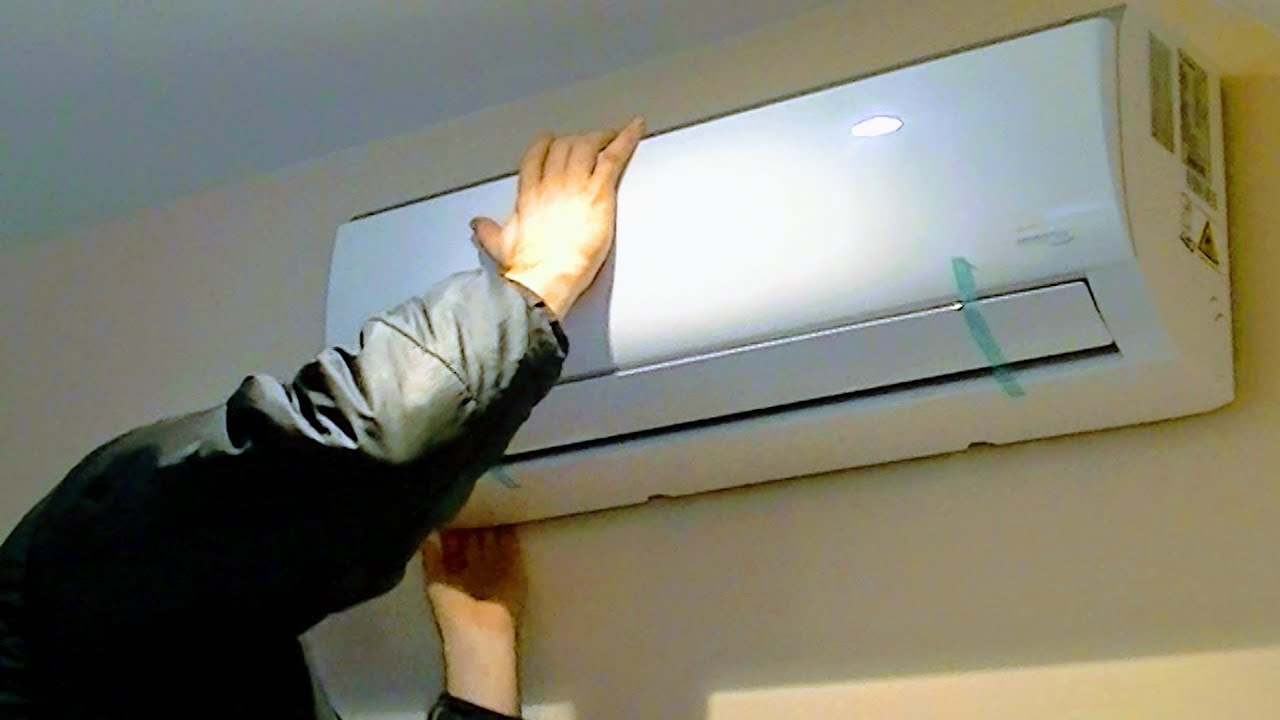
Additionally, the refrigerant phase-down across Australia encourages replacement or retrofit to lower-GWP refrigerants where economically and technically feasible. Discuss retrofit options with an authorised air conditioning service provider to ensure compliance and minimal disruption.
Cost expectations and budgeting
Routine maintenance and service typically range by type: filter cleaning or basic checkups are low-cost; a full annual service is moderate; major repairs or compressor replacements are higher. For Parramatta in 2025, expect typical ranges:
- Basic service and safety inspection: moderate cost (varies by system size) Full service with coil clean and refrigerant check: higher moderate Major repairs or compressor replacement: significant—get multiple quotes
Ask your air con installer for a written breakdown and options to prioritise repairs that improve efficiency and safety first.
Emergency signs that need immediate air conditioning repair
Arrange urgent service if you notice:
- Complete loss of cooling or heating Electrical tripping or burning smells Leaks of refrigerant or unexplained pooling water Loud mechanical noises indicating motor or compressor failure
Final checklist for Parramatta homeowners and businesses
Before the cooling season begins, tick these items:
Clean/replace filters; register reminders on your calendar. Clear outdoor unit and ensure 300–500 mm of airflow space. Book an annual air conditioning service with a licensed air con installer. Confirm refrigerant pressures and look for leaks—leave handling to professionals. Inspect ducting, thermostats and condensate drains. Plan efficiency upgrades if your system is older than 10–12 years.
Where to get help in Parramatta
For professional air conditioner maintenance, installation or air conditioning repair in Parramatta NSW, choose a licensed local service that provides written quotes, clear maintenance plans, and evidence of refrigeration and electrical accreditation. Regular maintenance and timely repairs preserve comfort, lower operating costs and help meet environmental expectations in 2025 and beyond.